

Health Minister Acknowledges Medication Procurement Challenges, Assures Progress
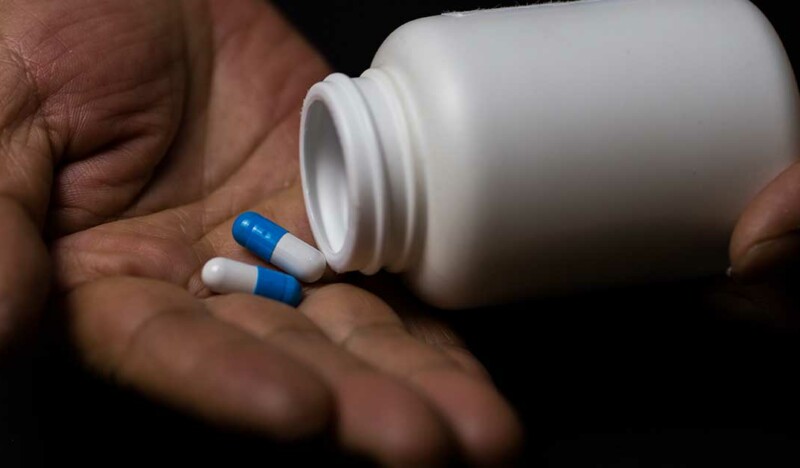
Person taking medicine capsules out of the bottle | Photo: Wirestock
Health Minister Abdulla Nazim has acknowledged challenges in procuring medications but assured that current measures are addressing the issue. In a press conference held at the President’s Office, Minister Nazim explained that the government took immediate action upon recognising the shortage of medicines, with positive results now emerging.
He highlighted that public complaints were taken into account when implementing solutions. Minister Nazim expressed confidence in the progress being made, noting that the government’s efforts are expected to provide significant relief in the near future, as the situation is being managed in an organised manner.
advertisement
advertisement
advertisement

The issue of medicine accessibility has been exacerbated by the reduction in payment for medicines under Aasandha, which has made it more difficult for the public to obtain medications from pharmacies. Following public outcry, the government announced that all essential medicines for the country would be imported by the State Trading Organisation (STO).
The government also confirmed that additional measures are being put in place to address the shortage. Minister Nazim detailed efforts to strengthen the system by increasing the supply of medicines from STO and developing standard operating procedures (SOPs) to enhance governance of pharmaceutical matters. Furthermore, the government is focused on increasing the number of qualified personnel in the field.
Reforms are also underway for the Aasandha portal, which will improve the prescription issuance process. In addition, treatment guidelines are being developed, and the Maldives Food and Drug Authority’s (MFDA) system is being reinforced. Training for STO’s pharmacists is also part of these efforts.
Minister Nazim noted that these steps have already resolved many of the previous challenges, with visible progress now being made. He expressed optimism that a permanent and satisfactory solution to the issue would be found soon.
Earlier, President Dr Mohamed Muizzu explained that, before the government’s intervention, medicines were sold at exorbitant profits, with prices inflated by 1,000 to 2,000 percent. The government’s decision to import medicines through STO and reduce prices to the company’s rates had led to resistance from pharmacies, which had imposed restrictions on the issuance of medications. The president indicated that this contributed to the current shortage.